Sometimes, people assume a pet collar can last a dog for years. But when the device starts to loosen, the sensors become slow, and the battery drains unexpectedly fast, they realize that we’ve often been too optimistic about its durability. This is especially true for training aids like bark collars, which rely on electronic components, sensors, and material strength. Over time, how durable do they actually become? How can we ensure they remain stable, comfortable, and reliable during long-term use? These are questions that not only novice dog owners worry about, but even experienced dog trainers periodically re-evaluate.

Some people believe that durability is only related to materials, but the real key often lies in more subtle dimensions: the rate of battery degradation during daily cycles, the sensitivity of sensors to weather changes, the wear and tear on the shell under continuous wear, and whether the user properly uses dog collar maintenance methods. These seemingly trivial details actually collectively affect whether a device can become a reliable member of long-lasting pet devices.

Next, let’s shift our focus from pet training to the product’s durability itself, taking a deep dive into its structure, materials, battery maintenance, and long-term usage techniques to provide more reliable advice for pet owners who genuinely want to extend its lifespan.


The core of equipment durability: hidden challenges of materials, structure, and external wear and tear

Many people, seeing durable nylon, TPU coating, and stainless steel contacts, often assume that such bark collars are sturdy enough. However, real feedback from the industry is far more complex than advertising claims. After prolonged use, the most common signs of wear on most collars are not breakage but rather more subtle changes—such as scratches left by dogs on the outer material, the straps gradually hardening from sweat or rain, and the accumulation of tiny cracks from repeated bending.

This kind of subtle wear doesn’t happen in a day or two, nor does it appear at a speed visible to the naked eye, but it does slowly change the collar’s fit, causing the device to deviate slightly from its original tightness. What are the consequences of this deviation?
Not immediate damage, but changes in sensitivity, poor contact at the contacts, or a decrease in the sensor’s accuracy in recognizing the bar.

This is why many brands emphasize using structures with higher durability and tensile strength, but ultimately, long-term user attention is still essential. A truly durable bark collar isn’t just about wear-resistant materials; it’s a combination of materials and proper usage habits.

For example, in humid areas, some users find that the material hardens more easily because TPU undergoes slight deformation after prolonged moisture absorption; in coastal or rainy environments, salt and moisture accelerate oxidation of metal areas. If you’re willing to start by understanding these details, you’ll better understand why long-term maintenance is more important than the performance of new products.


Bark collar with visible wear showing signs of use.

Battery life and performance degradation: the key logic of collar battery care

Batteries seem to be the “invisible lifespan” of all electronic pet devices. No matter how durable a bark collar is, its lifespan will be shortened if the battery degrades too quickly.

case butMany dog owners have experienced this minor annoyance: the battery lasts for several days when it’s first purchased, but after six months it needs to be charged once a day, and later it even starts to flicker. This isn’t an isolated case, but rather a typical phenomenon of battery cycle degradation.

In the field of training equipment, battery life is mainly affected by three things:
charging habits, temperature environment, and usage frequency.

-fullProlonged use at high temperatures will cause the internal structure of the battery to age; frequent “zero charge – full charge” cycles will accelerate the shortening of its lifespan; and irregular charging methods (such as charging whenever needed or leaving it plugged in all the time) will also make the battery performance unpredictable.

.A highly practical tip from professional trainers is
to keep the battery level between 30% and 80% during charging and discharging, avoiding letting it drop completely to zero.
This method effectively extends the lifespan of most training devices and is a core technique in collar battery care .

Another often overlooked situation is
that many people carelessly leave their collars on sunny windowsills, near heaters, inside cars, or in damp entryways when not using them.
Temperature and humidity are silent killers of batteries, having a greater impact than usage frequency. The lifespan of some devices is quietly shortened through these “unintentional placements.”


Close-up of a bark collar sensor area needing cleaning.

Long-term maintenance methods: dog collar maintenance is not an unnecessary operation.

bark collar’sIf materials and batteries are the two cornerstones of the Bark Collar’s durability, then “maintenance” is the practical operational layer that keeps them performing stably.

Many dog owners only think about cleaning and checking when equipment malfunctions, but truly effective maintenance comes from small habits established over time, rather than remedial measures when problems arise.

A proper maintenance cycle typically includes:

➊ Regularly clean the contact points and sensor area.
Sweat, sebum, dirt, and rainwater can all make sensors unresponsive. Trainers often recommend cleaning them at least once a week, and even more frequently during summer or when there is a lot of outdoor activity. Clean contacts not only ensure accurate tactile feedback but also reduce the risk of metal corrosion.

Materials➋ Check the tightness of the collar straps
. Materials don’t stay the same forever. Continuous pulling can lengthen the straps by a few millimeters, and these few millimeters can significantly change the fit of the collar.
A dog’s neck circumference naturally fluctuates due to seasonal molting, water intake, and other factors, so the fit of training equipment should be adjusted slightly according to the season for optimal results.

➌ Regularly inspect the casing for cracks or bite marks that may affect the structure.
Casing cracks are often overlooked, but they can expose internal electronic components to moisture.
A crack can go from being perfectly functional to affecting operation in just one heavy rain or improper cleaning.

➍ When not in use, allow the device to dry completely before storing it.
Dampness has a greater impact on lifespan than use. Regardless of whether the bark collar is waterproof or not, moisture will accelerate the aging of the material.

.These steps may sound simple, but they are key reasons why experts repeatedly emphasize them in all dog collar maintenance .


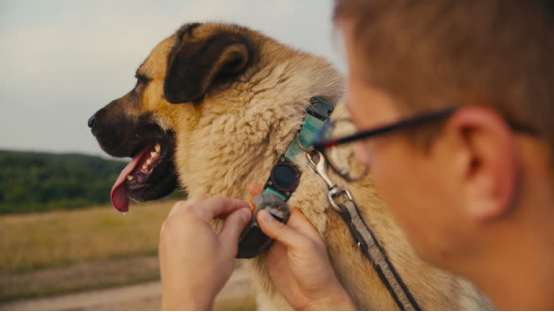
Pet owner adjusting the fit of a bark collar on their dog

The key to making devices truly “last longer”: Usage strategies and habits are more important than materials.

Many users assume that their pet training equipment, including a bark collar, will “run stably” indefinitely after purchasing it. However, the reality is that every pet training tool has its own durability curve, and how it is used is often the most important variable determining its lifespan.

The following points are the most frequently reminded by professional dog trainers after long-term use of a bark collar:

  • Sleeping: Avoid wearing the bark collar continuously while your dog is playing vigorously or sleeping, as this will cause it to wear out faster due to constant pulling, and the pressure during sleep can deform the strap. It’s best to wear it during training sessions and remove it when not training.
  • Avoid use in extreme weather conditions: Prolonged use of a bark collar in heavy rain, snow, or scorching sun will put triple stress on the materials, battery, and sensor.
  • Perform a comprehensive functional check every few months: Even if the bark collar appears to be “working normally,” there may be minor issues such as decreased sensor sensitivity or delayed button response. When training effectiveness weakens, many users’ first reaction is often that the dog has “adapted,” but in reality, it may be that the device is quietly aging.
  • Avoid wearing it on top of a metal puller for extended periods: Friction between different materials will cause the outer layer of the bark collar to wear out faster, which is an unexpected reason for reduced durability for many users.

The significance of these strategies lies in enabling a bark collar to transition from its “normal lifespan” to an “extended lifespan.” This is the true standard for long-lasting pet devices.


The equipment is durable, but what truly makes it last longer is your attention to detail.

Each bark collar carries the burden of training and withstands the pressures of time, environment, and usage. Ultimately, durability is not a matter of brand promises, advertising, or material strength alone, but rather the result of all the details working together.

If you’re willing to pay attention to everything from material wear and tear, battery degradation, changes in fit, seasonal variations, external environment, and routine maintenance, a training device’s lifespan may exceed your initial expectations.

Learn more about maintenance tips and scientific methods for daily care of bark collars.

Leave a Reply

Your email address will not be published. Required fields are marked *