When you first clicked “buy” on Amazon for a bark collar, you thought you were buying tranquility.

You might think this is just a one-time, small investment. After all, it’s just two plastic shells and a sensor, right? How expensive could it be?

But I have to tell you a harsh truth. As a veteran who has worked in the pet supplies supply chain for ten years, I’ve seen far too many return orders and customer complaints. That tempting low price tag is just bait thrown out by the merchant to lure you in. The real bill often only begins to be calculated after you tear open the box and put that collar, which reeks of industrial plastic, around your dog’s neck.

It’s like the trick of buying a printer and getting ink cartridges for free. If you don’t see the hidden costs of a bark collar, you could end up paying ten times the price of the device itself—or even incurring hefty veterinary bills.

Today, instead of focusing on unresolved issues, let’s calculate the unseen “hidden costs of use.”

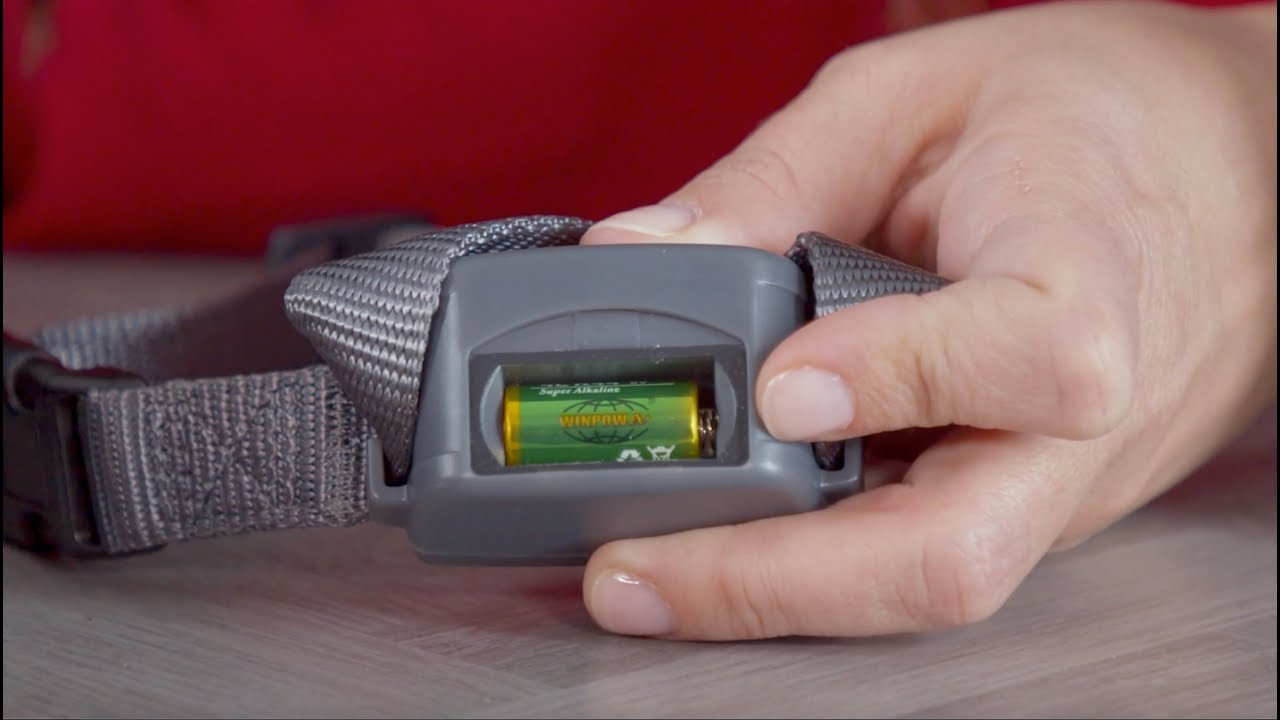
Hand installing a battery into a grey bark collar for your pet.

The Battery Trap: Manufacturers’ Favorite Subscription Revenue

bark collar that uses replaceable batteries, congratulations, you’ve just signed a long-term installment plan.

There’s an open secret in the industry: many low-end collars actually have extremely low profit margins; the manufacturers’ real profits come from the batteries. They often design and use unusual battery models—such as the 6V 4LR44 or the even less common CR2450.

You definitely can’t buy this kind of battery at the convenience store downstairs.

Imagine this scenario: It’s 2 AM, and your Golden Retriever is barking incessantly at the stray cat outside your window. You fumble for its collar, only to find the indicator light isn’t working. You search every drawer, finding nothing but a pile of useless AA batteries. At that moment, accompanied by the dog’s barking, your blood pressure spikes. What’s the cost of this kind of mental anguish?

Worse still, these special batteries often have extremely short lifespans. In cold winters or under high-frequency triggering conditions, a $5 special battery might not last more than two weeks. Over a year, the cost of the batteries alone could be enough to buy two top-of-the-line rechargeable bark collars.

This is the most typical example of the real cost of a bark collar: you think you’re saving money, but you’re actually just paying the battery manufacturer in installments.

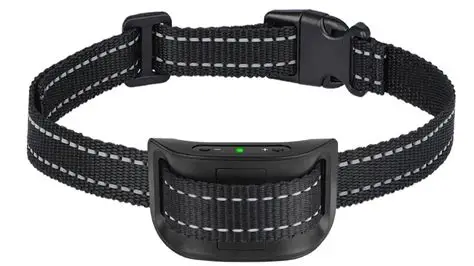
Sleek black bark collar with reflective stitching, ready for dog training.

“Trust collapse” caused by accidental triggering

More expensive than money is the “cost of trust.”

Cheap bark collars typically only have a rudimentary sound sensor. It can’t distinguish between a dog barking, a door closing, or even the sound of a dog shaking its head and the metal tag hitting the door.

Here’s a physical detail: when you pick up a cheap collar and shake it, you can hear a slight rattling sound from the parts inside—a characteristic of poor-quality sensors. When this device is worn around a dog’s neck, the collar will suddenly release a static shock if the dog simply shakes its head or sneezes.

At that moment, you’ll see the confusion and fear in the dog’s eyes. It hadn’t done anything wrong, yet it was being punished.

This kind of “accidental killing” can quickly destroy the trust between you and your dog and even lead to serious anxiety behaviors. Once the dog starts to become aggressive out of fear or becomes timid, you will have to spend several times more time and money to find a professional dog trainer for behavior modification.

This “corrective fee” is usually calculated in thousands of dollars.

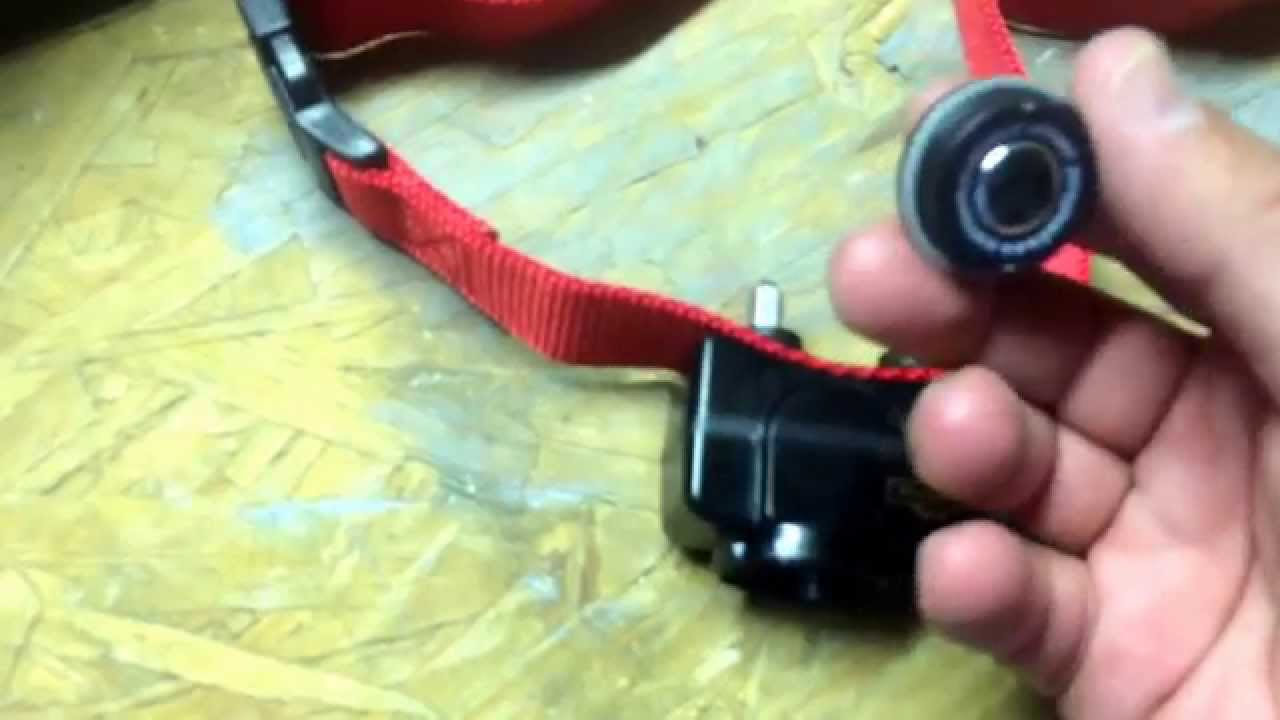
Hand showing contact points on a red bark collar for dog training.

Physical Injury: The Invisible “Pressure Necrosis”

This is probably the heaviest cost I have to mention.

Many new owners are unaware that if the metal probes of a bark collar are pressed in the same position for a long time (more than 12 hours) or worn too tightly, it can cause skin ischemia.

In the industry, we call it “pressure necrosis.” It looks like two burn holes, with the hair around the wound sticking together wetly and emitting a distinctive, metallic, and purulent odor.

Inexpensive collars often have sharp probes with little cushioning to ensure conductivity. Furthermore, novice owners, in pursuit of a better fit, often tighten them too much.

Once an infection occurs, the cost of veterinary cleaning, antibiotics, and potential subsequent skin suturing surgery will be substantial. Not to mention the guilt you feel watching your beloved dog suffer—this emotional torment is immeasurable in monetary terms.

A well-designed, high-end collar typically features probes made of medical-grade stainless steel with rounded tips and may even include conductive silicone sleeves to cushion pressure. While it may seem like an extra $50, it actually saves you hundreds of dollars in medical expenses.


FAQ (Frequently Asked Questions)

Is a rechargeable bark collar always more cost-effective than a battery replacement?

A: In the long run, absolutely. While the initial price of a rechargeable model might be $20-$30 higher, considering that a specialized battery (such as a 6V 4LR44) costs around $3-$5 and needs to be replaced 1-2 times per month with frequent use, the total cost of a rechargeable model will typically be lower than that of a battery-powered model after 4-6 months of use. More importantly, rechargeable models usually have more advanced waterproofing and smart chips.

How to avoid buying cheap collars that are easy to accidentally trigger?

A: Avoid products that only advertise “sound activated.” Genuine professional-grade bark collars will clearly state “dual detection” or “vibration + sound detection.” This means that correction is only triggered when the microphone hears a call and the vibration sensor detects vocal cord vibration. This is the only technological guarantee to avoid accidental injury.

Does the learning cost count as one of the so-called “hidden costs”?

A: Yes, and quite a lot. Many complicated, cheap collars have user-unfriendly interfaces, with only two buttons but requiring combinations of over a dozen modes. You might spend hours studying a manual filled with machine-translated Chinese just to figure out how to adjust the sensitivity. High-end brands, on the other hand, usually come with an intuitive LCD screen or mobile app, allowing you to set them up in under five minutes. Your time is money.


Conclusion

When we talk about bark collars, we shouldn’t just focus on that green price tag.

You’re not just buying hardware; you’re buying a solution. A good solution should be invisible, painless, and eliminate the need for you to visit the hardware store every month to buy batteries or take your dog to the vet for wound treatment.

That seemingly expensive $80 smart collar is actually the most economical decision you can make because of its precise algorithms, comfortable wearing experience, and zero maintenance costs.

Don’t let those seemingly cheap plastic boxes become the most expensive barrier between you and your beloved dog. Smart consumers know that sometimes, spending a little more money buys not only quality but also something truly “priceless”—peace of mind without any unexpected expenses.

Leave a Reply

Your email address will not be published. Required fields are marked *