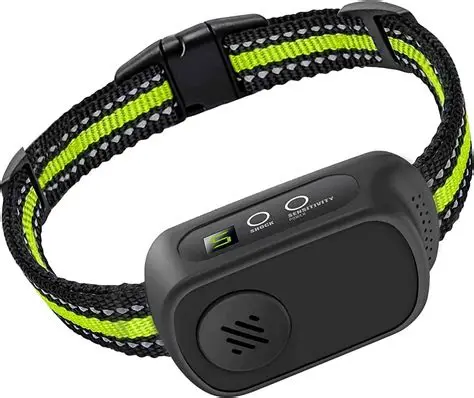
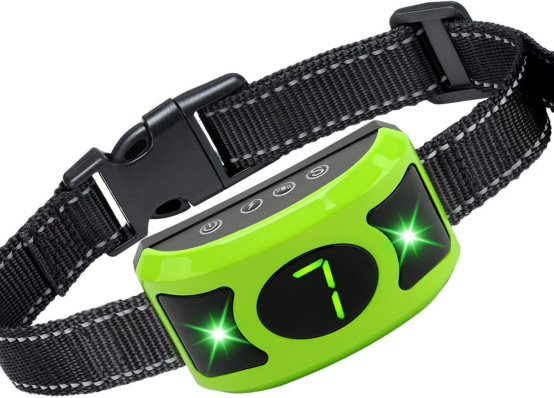
In the pet training field, bark collars have become the preferred tool for many dog owners, especially when their dogs’ barking behavior becomes a nuisance in family life. Whether through vibration, sound, or static electricity, bark collars can respond promptly to barking, helping to train dogs to break bad habits. However, all these functions rely on a stable battery power supply. Therefore, proper battery management can not only extend the bark collar ‘s lifespan but also ensure it functions properly in critical moments.

This article will delve into how to properly manage the batteries in a bark collar , provide some battery replacement suggestions, and explore methods to avoid affecting training results due to battery issues.

Close-up of a Bark Collar showing battery compartment

Why is battery management so important?

Whether it’s a traditional bark collar or the latest smart collar, almost all bark collars require batteries to operate. Batteries not only determine the device’s runtime but also affect its performance and responsiveness. This is especially important when you rely on a bark collar for daily training, ensuring the device is always fully charged.

the bark collar may fail to respond promptly to the dog’s barking, thus affecting training effectiveness. On the other hand, improper battery management can shorten the device’s lifespan, increase the frequency of battery replacements, and may even lead to device damage.

Battery life and device performance

Most bark collars use replaceable batteries, such as common alkaline or rechargeable batteries. Battery life and performance are closely linked. As the battery level decreases, the device’s functionality may become unstable, leading to delayed reaction times or decreased reliability. For example, at low battery levels, the vibration or shock function may not be as strong as expected, affecting training effectiveness. Therefore, proper battery management ensures the device delivers optimal performance when needed.

Dog wearing an anti-bark device during training

How to properly manage the batteries in a bark collar ?

To ensure your bark collar performs optimally in critical moments, proper battery management is essential. Here are some tips to help extend battery life and avoid disrupting your training due to power issues.

1. Check battery level regularly.

Regularly checking the battery level is the first step to ensuring your bark collar functions reliably. While some modern bark collars come with a battery level indicator to remind users when to replace the battery, it’s still recommended to check the battery status before each use, especially after a long period of inactivity. Replacing the battery promptly if it’s low can prevent unexpected interruptions during training.

2. Choose the appropriate battery type

Different models of training devices may rely on various battery types. Common options include alkaline, lithium, and rechargeable batteries. While alkaline batteries are affordable, they tend to drain quickly with frequent use, meaning you’ll need to replace them more often. In contrast, lithium and rechargeable versions generally provide longer-lasting power and align better with energy-efficient usage.

If your device uses a built-in rechargeable battery, remember to charge it regularly and avoid letting it fully drain before recharging, as this helps prolong the overall lifespan of the battery.

3. Avoid overcharging and over-discharging.

If you are using a rechargeable bark collar , you need to be especially careful to avoid overcharging and over-discharging. Overcharging can damage the battery’s health and shorten its lifespan. Conversely, completely discharging the battery and then recharging it can also have adverse effects. The best practice is to start charging when the battery level drops to about 20%-30%, which will help maintain the battery’s long-term health.

4. Keep the battery clean.

Over time, dust or corrosion can accumulate on battery contacts, affecting the battery’s ability to supply power. Regularly inspect and clean the battery contacts on the bark collar to ensure they are free of dirt or corrosion. This not only helps extend battery life but also ensures the device’s responsiveness and sensitivity.

5. Pay attention to the conditions when storing batteries.

the bark collar temporarily , ensure that the batteries are stored in a cool, dry place. Avoid exposing the batteries to high temperatures or humid environments, as this may shorten battery life or even cause leakage.

Rechargeable battery and charging cable for training device

How can we prevent battery issues from affecting training results?

1. Do not rely on low battery to continue training.

If you find that the bark collar ‘s battery is nearly depleted, do not rely on it to continue training. Even if the battery still provides some power, the device’s responsiveness and functionality may not be optimal. To ensure effective training, it’s best to use the device when the battery is fully charged.

2. Prepare spare batteries

If you’re doing long workouts, especially when using a bark collar outdoors , having spare batteries is a good idea. This way, if the device runs out of power, you can immediately replace the batteries without disrupting your workout.

3. Monitor the equipment’s operating status.

When using a bark collar for training, always monitor the device’s status. If you notice the device becoming slow or not working as expected, check if the battery needs replacing or charging. Staying informed about the device’s status will help prevent training sessions from being interrupted by battery issues.

Long-lasting battery management techniques

In addition to regularly checking the battery and keeping the device clean, the following tips can also help you manage your bark collar ‘s battery and extend its lifespan.

  1. Avoid prolonged standby : If you are no longer using the bark collar , it is recommended to turn off the device or remove the battery to prevent the battery from continuing to drain power in standby mode.
  2. Avoid high-temperature exposure : High temperatures may accelerate battery depletion. Avoid prolonged exposure of the device to direct sunlight or excessively hot environments.
  3. Regular use : Even if you don’t use the bark collar often , you should charge it or replace the battery occasionally to keep the device in good working order.

Conclusion

a bark collar in pet training is self-evident, and its battery management directly impacts the device’s stability and training effectiveness. By regularly checking the battery, choosing the right battery type, avoiding overcharging, and keeping the device clean, you can not only extend the bark collar ‘s lifespan but also ensure the device performs at its best in crucial moments. Battery management is not just about maintaining the device but also about guaranteeing the effectiveness of your dog’s training.

more about bark collars or need further professional advice, access valuable information and practical resources.

Leave a Reply

Your email address will not be published. Required fields are marked *