Walking your dog on busy streets, park paths, or neighborhood trails often means facing various stimuli—from unfamiliar pedestrians and other pets to noisy traffic. For some dogs, these highly stimulating environments can easily trigger a barking response, turning what should be a relaxing walk into a stressful and chaotic experience. Using a bark collar correctly , combined with scientific behavioral training strategies, can help owners achieve outdoor barking control , making walks safe, comfortable, and enjoyable.


The effect of highly stimulating environments on dog barking

The outdoor environment is full of unpredictable sounds, smells, and visual stimuli. Studies have shown that barking is a natural defensive or warning behavior for dogs when faced with unfamiliar dogs, fast-moving bicycles, or sudden noises. Uncontrolled barking can not only disturb others but also exacerbate the dog’s own anxiety.

Behavioral experts point out that prolonged excessive barking can lead to accumulated psychological stress, making dogs more prone to anxiety during walks. In this case, simply using a leash is clearly insufficient; training and assistive tools are needed. A bark collar can provide appropriate feedback in the early stages of barking, reminding the dog to pay attention to its behavior and thus reducing immediate reactions in highly stimulating environments.


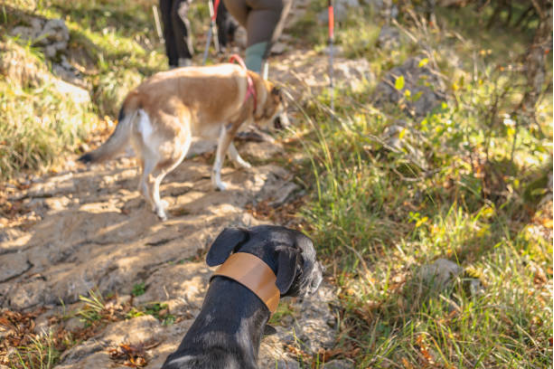
Walking the dog outdoors

The role of a bark collar during an outdoor walk

The modern portable bark collar is lightweight and easy to carry, without adding burden to your dog. It signals when your dog begins to bark through sound, gentle vibration, or adjustable static electricity. The core concept is “instant feedback”: the dog receives a cue the moment it barks and, with the help of training, learns appropriate quiet behavior.

User experience shows that combining it with walking bark training yields even more significant results: during walks, dogs learn to associate barking with collar signals, gradually reducing unnecessary barking and maintaining a focused and stable walking posture. This allows owners to maintain control in high-stimulation environments, while dogs enjoy a more relaxed outdoor experience.


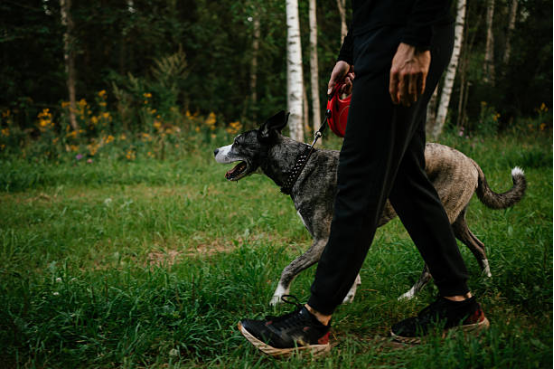
Walking the dog outdoors

Develop a personalized walking training plan

1. Gradually Adapt to Environmental Stimuli
: Initially, choose a relatively quiet path to allow the dog to become familiar with the bark collar ‘s feedback in a low-stimulation environment. As its adaptability increases, gradually transition to areas with more pedestrian traffic. Gradually increasing the difficulty can reduce the dog’s anxiety and ensure stable training results.

2. Reinforce Positive Behavior:
When the dog remains quiet or shows a slight shift in attention when faced with a stimulus, immediately reward it with verbal praise, a treat, or a short playtime. Combining bark collar cues with positive reinforcement helps the dog understand that quietness is a recognized behavior, rather than simply a punishment.

3. Adjust collar sensitivity flexibly.
Different dogs have different personalities and barking thresholds. It is recommended that owners observe their dog’s reactions and adjust the sensitivity of the portable bark collar according to changes in the environment to ensure that the feedback is timely enough but does not cause fear.

4. Incorporate behavioral training techniques
: During training, methods such as direction redirection or distraction can be used, for example, using toys or commands to attract the dog’s attention and reduce excessive barking. Combined with walking bark training , a stable and quiet behavior pattern can gradually be established in the outdoor environment.


Maintaining a smooth daily routine for walks

a bark collar outdoors , owners can maintain training effectiveness and device durability through daily habits. Before each outing, check the collar’s fit to ensure it doesn’t become loose and affect feedback. Outdoor environments are complex; mud, rain, and dust can affect sensor sensitivity, so after training, clean the device with a dry cloth and store it in a well-ventilated area to help extend its lifespan.

Furthermore, by appropriately scheduling collar usage and combining it with short off-collar exercises, dogs can gradually become quiet even without device prompts. In this way, the portable bark collar not only becomes a training aid but also helps dogs establish more stable behavioral habits, making walks more relaxed and natural.


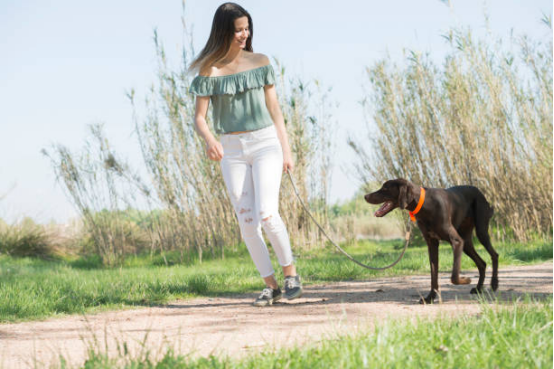
Walking the dog outdoors

Observing changes in dogs during walks

Many owners have observed in various environments that, when walking bark training is used in conjunction with a bark collar , dogs react significantly more steadily when faced with unfamiliar dogs or fast-moving pedestrians. Medium-sized dogs show a marked reduction in barking when encountering stimuli after several weeks of training in busy neighborhoods, while large dogs require a combination of positive reinforcement and attentional guidance to achieve the same results.

During long outdoor walks, dogs wearing portable bark collars can more quickly recognize when they are alerted to bark, thus reducing leash tugging or startling and improving walk safety. Owners report that combining reward mechanisms with device signals helps dogs develop conditioned reflexes: remaining calm when encountering stimuli outdoors instead of immediately barking, making walks not only safer but also more enjoyable.


Creating a comfortable and safe outdoor experience

Outdoor walks should not become a source of tension and conflict. By using a bark collar scientifically , combining walking bark training , environmental adaptation, and positive reinforcement, owners can maintain control in high-stimulation environments, allowing their dogs to have a safe and enjoyable experience outdoors. Flexibly adjusting training programs and paying attention to the dog’s feedback are key to achieving long-term results.

Learn more practical tips and training strategies for bark collars to help you and your dog enjoy more relaxed and safer outdoor time.

Leave a Reply

Your email address will not be published. Required fields are marked *