In high-density living environments, dog barking not only disturbs owners but can also affect neighborly relations. For apartment dogs, every echo in the hallway, every doorbell ring, or every stranger passing by can trigger excessive barking. Excessive barking not only causes anxiety for owners but also increases the risk of complaints from neighbors. Using a bark collar scientifically , combined with daily behavior training, is an important strategy for creating a quiet and harmonious apartment life. With the right methods, owners can effectively reduce barking and help their dogs remain calm in the indoor environment, thus achieving the goal of “quiet home dogs .”


Psychological and behavioral background of barking dogs in apartments

Apartment environments differ from rural or detached houses; the compact space and sound reflections from the walls amplify a dog’s barking, making it easier for psychological stress to accumulate. Studies show that apartment dogs tend to be more sensitive to external stimuli, such as neighbors opening doors, footsteps in the hallway, or vehicle noise outside the window.

Barking is a dog’s natural reaction, serving both a warning and communication function. It’s crucial for owners to understand this: barking isn’t always “naughty,” but rather an environmental adaptation behavior. Indoor bark collars can act as a behavioral control tool in this environment, providing timely feedback to help dogs identify inappropriate barking behavior and gradually reduce indoor noise.

Psychological research shows that timely and appropriate feedback is more effective than punitive training. Modern portable bark collars can convey information to dogs at the onset of barking through gentle vibrations or sound cues, making them aware of behavioral boundaries without causing fear or resistance.


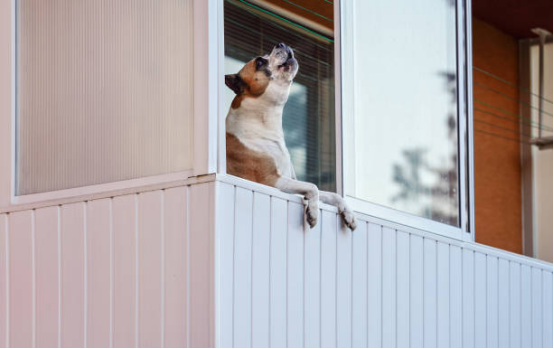
dog on the balcony

Practical methods for integrating bark collars into daily training

1. Gradual Quiet Training
: When starting training, choose a quiet room to allow the dog to become familiar with the bark collar ‘s feedback. Gradually introduce mild environmental stimuli, such as hallway noises, neighbor activity, or faint noises outside the window, helping the dog remain calm in different environments. This gradual training is key to apartment dog training , allowing the dog to effectively adapt to its real-world surroundings.

2. Positive Reinforcement Strategy:
When a dog remains quiet in the face of a stimulus, it should be immediately rewarded, such as with verbal praise, a treat, or a short period of interaction. Positive reinforcement helps the dog understand that quiet behavior brings positive consequences, rather than simply being restricted. Long-term practice shows that this method can significantly improve indoor behavioral stability, achieving the goal of quiet home dogs .

3. Adjust the intensity of feedback flexibly
. Different dogs have different sensitivities to stimuli. Owners should adjust the vibration or sound intensity of the bark collar according to the dog’s reaction to ensure that the feedback is immediate but does not cause stress or fear. For small dogs or anxious breeds, a low-intensity mode can be selected to avoid overstimulation.

4. Distraction and Attention Redirection:
During training, toys, commands, or activities can be used to distract the dog and reduce excessive barking. For example, when the doorbell rings, guide the dog to a designated spot or use a toy to distract it, teaching it to remain calm when stimuli occur. Combining this with indoor bark collar use can reinforce this behavior pattern, allowing the dog to behave consistently in different situations.

5. Routine Daily Routine and Environmental Management:
A regular sleep schedule, moderate exercise, and a fixed resting area are crucial for apartment dogs. Dogs that lack exercise are prone to barking due to excess energy, while a fixed, quiet area helps them develop a sense of psychological security. By integrating a portable bark collar into daily training, the device not only serves as a behavioral feedback tool but also gradually guides the dog to remain quiet in its natural environment.


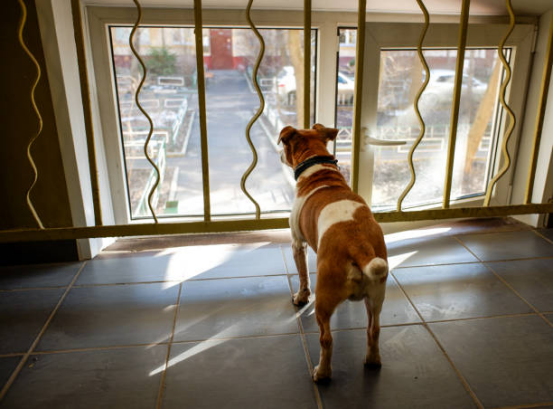
The dog looked out the window.

Case Studies and User Experience

Actual user feedback shows that many apartment residents experienced a significant decrease in their dogs’ barking frequency after using the bark collar indoors . For example, medium-sized dogs, through gentle vibration feedback and positive reward training, gradually learned to remain calm when the doorbell rings, despite noise disturbances in the hallway; small dogs, combined with attention diversion training, were able to reduce barking when neighbors were walking by.

Long-term observations have shown that combining bark collars with daily apartment dog training not only reduces barking but also improves relationships between owners and neighbors. Many owners have reported more predictable dog behavior, a quieter apartment environment, and a significantly improved community living experience.


Precautions for using bark collars

  1. Equipment check : Before each training session, ensure that the collar fits properly and the sensors are clean to avoid hair clogging or equipment malfunction.
  2. Cleaning and maintenance : Wipe the device regularly with a dry cloth to prevent dust and moisture from affecting sensitivity and extending its service life.
  3. Training rhythm : Arrange the time for using the collar reasonably and avoid long periods of continuous training to prevent the dog from getting tired or accumulating stress.
  4. Observe behavioral changes : Continuously record the frequency of the dog’s barking, the triggering reasons, and the training response to provide data support for subsequent training adjustments.

With proper management and equipment maintenance, bark collar indoor use can become a long-term behavioral aid, helping apartment dogs develop stable and controllable behavioral patterns.


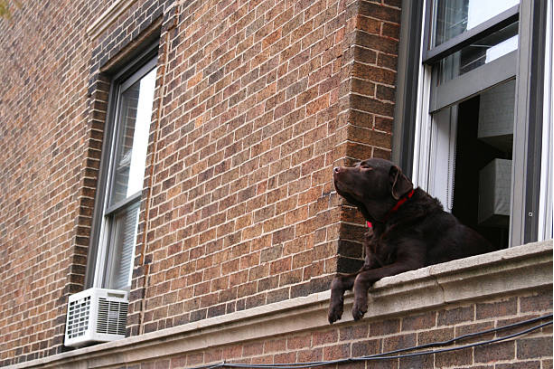
The dog waited at the window.

Creating a harmonious apartment life

High-density living environments require dogs to not only adapt to the space but also maintain harmonious relationships with neighbors. By using bark collars scientifically , combined with apartment dog training , positive reinforcement, and environmental management, owners can effectively reduce indoor barking and keep their apartment dogs quiet at home.

Furthermore, owners can observe changes in behavior and adjust their training plans to ensure their dogs remain calm in different situations. Consistent practice not only improves the dog’s quality of life but also fosters more harmonious neighborly relations.

Learn more about the Bark Collar guide to help you and your dog create a peaceful and comfortable living space together in a high-density residential environment.

Leave a Reply

Your email address will not be published. Required fields are marked *