Let’s face this slightly awkward moment: when you lovingly hug your dog, burying your face in its neck for a cuddle, a complex smell—a mixture of “fermented cheese,” “old wet socks,” and “damp earth”—suddenly fills your nostrils. You might instinctively suspect that your dog needs a bath, but the truth is often more concrete—that suffocating odor actually comes from the bark collar it wears day and night.

I’ve noticed an interesting phenomenon: owners regularly clean dog bowls, dog beds, and even dog toys, but the bark collar , which is close to the skin and integrates electronic components , often becomes a blind spot for hygiene.

This isn’t just about olfactory torture. A stinky dog collar is essentially a petri dish for bacteria, capable of causing serious skin infections and even affecting the device’s conductivity due to dirt buildup around the contact points. Today, we’ll temporarily set aside training techniques and, like a surgeon, disassemble and thoroughly clean this delicate device to reclaim that fresh, clean hug.


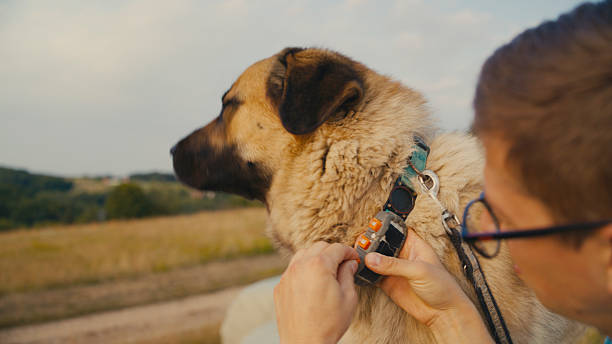
Man adjusting an electronic bark collar on a large brown dog in a field.

The source of the odor: the invisible “biofilm”

To solve the problem of how to clean a dog collar smell , we first need to identify the culprit. Why would a seemingly clean nylon collar emit such an alarming stench?

Most bark collars come standard with nylon webbing. Under a microscope, nylon fibers resemble countless tiny sponge structures. When you think the collar has “dried up,” deep within its fibers lies a mixture of these three things:

  • Sebum and sweat: Although dogs sweat all over their bodies like humans, the sebum secreted by the sebaceous glands on their necks can constantly seep into the webbing.
  • Dead skin cells: The continuous friction between the points of contact and the skin accelerates the shedding of the stratum corneum.
  • Environmental water bodies: rainwater, lake water, or muddy water.

When these three substances mix in the warm environment of a dog’s neck, they form a stubborn “biofilm.” This is why simply rinsing with water won’t remove the odor—you’re just giving the bacteria a bath, but you haven’t destroyed their nest.


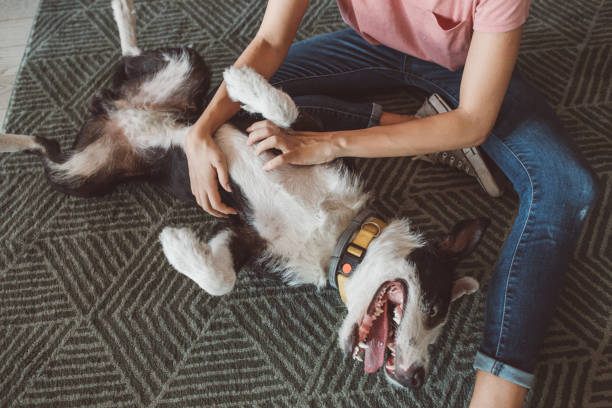
Happy dog receiving a belly rub, wearing a yellow training bark collar.

Phase 1: Safe Disassembly (The First Step in Electronic Collar Maintenance)

Before throwing anything into water, the primary principle of electronic collar maintenance is to keep the electronic components separate from the webbing.

Most bark collars are designed to allow you to remove the receiver from the collar strap. Typically, you will need to:

  1. Unlock the adjustment buckle.
  2. Slowly pull the webbing out of the receiver’s retaining slot.
  3. If the contact point is locked through the webbing, you may need to unscrew the metal contact point first (keep the gasket and probe safe, as they are very easy to lose).

Warning: Even if your device is labeled IP67 waterproof, I strongly recommend disassembling and cleaning it. The area between the webbing and the receiver is a major source of dirt buildup, and it’s impossible to clean without removing it.


Phase Two: The Chemical Warfare of the Webbing (Washing Shock Collar Strap)

Now, all you have left is a smelly nylon strip. Ordinary laundry detergent can only mask the odor; to completely break down the biofilm, we need to use “chemical weapons” from the kitchen: baking soda and white vinegar.

This is a classic “volcanic eruption” cleaning method, specifically for stinky dog collars :

  1. To make the soaking solution: Find an old bowl and put in two tablespoons of baking soda.
  2. Physical scrubbing: Add a small amount of warm water to baking soda to form a paste. Dip an old toothbrush in this paste and scrub every inch of the webbing, especially the inner fibers that come into direct contact with the dog’s neck. The granular texture of baking soda physically removes grease and is also highly effective at neutralizing acidic odors.
  3. Acid-base reaction: Place the necklace coated with baking soda paste into a bowl and pour in half a cup of white vinegar. This will produce a large number of bubbles (carbon dioxide), and this microscopic explosion can “blast” out dirt deep inside the fibers.
  4. Soaking and rinsing: Soak the collar in vinegar water for 15-30 minutes, then rinse it thoroughly with hot water.

At this point, you should smell a fresh vinegar scent. Don’t worry, the vinegar scent will completely disappear after it dries, and the stale, foul odor will also go away.


Phase 3: Thorough Cleaning of the Core Area

After cleaning the webbing, don’t forget the electronic receiver. Many user complaints about the device “malfunctioning” or “frequently triggering” are often due to the contact point being too dirty.

Cleaning focus: the base of the contact point

  • Check the base of the metal probe. Do you see a ring of black, hardened grime? That’s hardened residue from a mixture of dead skin and grease.
  • It blocks the current, forcing you to turn up the power to make the dog feel something.
  • It is a breeding ground for bacteria and a major cause of inflammation of the neck skin.

Operating steps:

  1. Take a clean cloth and soak it in 75% medical alcohol (Isopropyl Alcohol).
  2. Carefully wipe the entire receiver casing.
  3. Use a cotton swab or toothbrush dipped in alcohol to clean the base of the metal contact points until the black grime disappears completely, revealing the metallic luster.

Note: Alcohol evaporates very quickly and has antibacterial properties, making it the best choice for cleaning electronic contacts. Never rinse the receiver directly under a tap unless you are absolutely certain that its waterproof seals are intact.


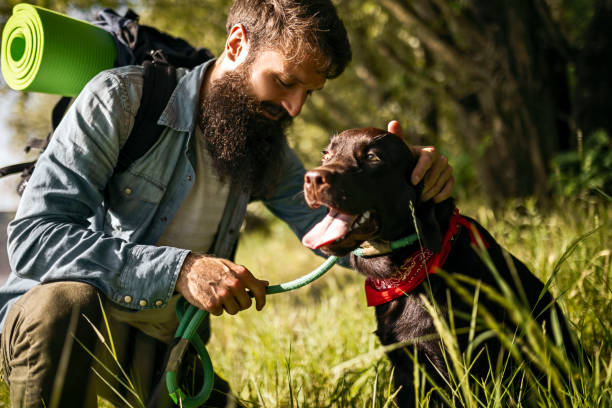
Hiker petting a happy brown dog on a leash, collar resembling a bark collar.

Upgraded material choices that prioritize prevention over treatment.

If you find yourself having to perform these tedious steps every other week, it might be time to consider addressing the problem at its source.

While nylon is durable, its hygroscopic properties make it a magnet for bacteria. High-end bark collars on the market now feature collar straps made of biothane (bio-coated webbing) or TPU. These materials look like leather, feel like rubber, and most importantly—they are completely waterproof and non-porous. Bacteria cannot penetrate the interior, and dirt can be easily wiped clean with a damp cloth; they will never smell.


Cleaning is a form of invisible love for dogs

Keeping your bark collar clean isn’t just about making your home smell better, but about protecting your furry friend who can’t express their discomfort verbally.

A stinky dog collar teeming with bacteria, combined with constant physical friction, is the perfect formula for bacterial folliculitis and hot spots.

Add “weekly cleaning” to your pet’s routine, just like you regularly brush their teeth. This not only extends the lifespan of the device but also ensures that every time it’s worn, it’s safe, hygienic, and comfortable.


FAQ

Can I put the bark collar strap in the washing machine?

Can I put the bark collar webbing in the washing machine?

If the electronic module has been removed, the nylon webbing alone can be machine washed. However, I recommend placing it in a laundry bag to prevent the metal clips from hitting the washing machine walls or damaging other clothes. For stubborn grease and odors, hand washing with baking soda is usually more effective than machine washing.

Can I use bleach to clean a stinky dog collar?

Can I use bleach to clean my stinky dog collar ?

Strongly discouraged. Bleach is highly corrosive and will weaken the nylon fibers, causing the collar to break when the dog suddenly charges. Furthermore, if bleach is not rinsed off completely, residual chemicals can severely irritate the sensitive skin on a dog’s neck, causing chemical burns.

How often should I perform electronic collar maintenance?

How often should I perform electronic collar maintenance ?

It is recommended to follow the principle of “wiping once a day and washing once a week”.

  • Daily: When removing the collar each day, simply wipe the contact points and the dog’s neck with a wet wipe.
  • Weekly: Remove the webbing once a week for deep soaking and cleaning.
  • Summer: In hot weather or when dogs swim frequently, it is recommended to increase the frequency of deep cleaning to once every 3-4 days.

Leave a Reply

Your email address will not be published. Required fields are marked *