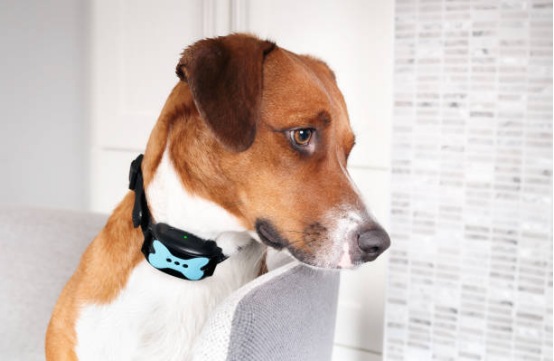
Choosing the right bark collar can be a daunting task when it comes to training dogs, especially breeds with sensitive skin. While collars are highly effective at correcting behaviors like barking, the issue becomes more complex if your dog has sensitive skin. Many pet owners face the challenge of selecting a bark collar that effectively curbs barking without causing skin irritation for their dogs . This article provides a detailed guide to helping you choose and use the right bark collar for your dog with sensitive skin , focusing on material selection, safety details, and precautions for wearing it.

delving into how to choose the right bark collar

Why sensitive skin is so important

delving into how to choose the right bark collar , it’s essential to understand why sensitive skin can influence collar selection. Just like humans, some dogs have more easily irritated or allergic skin, especially in areas that come into direct contact with the collar. For dogs with sensitive skin, traditional bark collars made of synthetic materials or with rough straps can cause discomfort, rashes, or even abrasions.

a bark collar for a dog with sensitive skin , the most important thing is to select one made of soft, breathable material that is unlikely to cause irritation. Proper fit is also crucial; too tight will chafe the skin, while too loose will prevent it from functioning effectively. Let’s take a look at how to find the right fit for your sensitive dog.

Material selection: Choose the right fabric

the bark collar strap plays a crucial role in ensuring comfort for dogs with sensitive skin. While some dogs tolerate rougher materials, choosing a soft, comfortable material is essential for those with more sensitive skin. Here are some common material considerations:

1. Soft nylon or polyester

Nylon and polyester are the most common materials for bark collar straps, and they come in different levels of softness. Soft nylon or polyester is often a good choice for dogs with sensitive skin because they are durable, lightweight, and less likely to cause irritation than rougher materials.

  • Advantages : durable, flexible, lightweight, and adjustable in size.
  • Disadvantages : Although it is usually soft, it may irritate the skin of dogs that are extremely sensitive if worn for too long.

2. Neoprene rubber padding

Neoprene is a padded material commonly used in dog collars and harnesses. It is ideal for dogs with sensitive skin because it provides extra comfort and effectively prevents direct friction between the collar and the dog’s skin.

  • Advantages : Comfortable, cushioned, helps distribute pressure, waterproof and breathable.
  • Disadvantages : It is slightly heavier than other materials, which may not be suitable for small dogs.

3. Cotton or natural fiber necklace

Some bark collars are made of cotton or other natural fibers, which is a great option for dogs with extremely sensitive skin. Cotton is soft and breathable, reducing the chance of irritation. However, cotton collars may not be as durable as synthetic materials, especially for active dogs or those who like to chew on things.

  • Advantages : Soft, breathable, and skin-friendly.
  • Disadvantages : Less durable than nylon or polyester, and more prone to wear and tear.

4. Adjustable soft strap Bark Collar

Adjustable soft-strapped collars made of soft leather or silicone offer a comfortable fit without compromising durability. Leather, in particular, softens over time, adapting well to the shape of a dog’s neck.

  • Advantages : Durable, adjustable, and becomes more comfortable after a period of use.
  • Disadvantages : It is slightly heavier than nylon or cotton collars and may not be suitable for some dogs.
Adjustable soft strap Bark Collar

Safety features of dogs with sensitive skin

While the material choice for a bark collar is crucial, safety features are equally important, especially for dogs with sensitive skin. Here are some features that will ensure your dog’s comfort and safety:

1. Gentle stimulation settings

a bark collar is to provide corrective stimulation when a dog barks excessively. For dogs with sensitive skin or those that are generally sensitive, choosing a collar with adjustable stimulation intensity is crucial. Opt for collars that allow you to control the intensity of vibration or static stimulation, so you can start with the lowest setting and gradually increase the intensity.

  • Recommendation : Start with the lowest level of stimulation and observe your dog’s reaction. If necessary, gradually increase the level, but do not exceed the effective range.

2. Non-contact stimulation collar

If you’re concerned about the potential friction that a bark collar might cause to your dog’s skin, there are some types of bark collars on the market that offer non-contact stimulation, such as vibrating or ultrasonic bark collars . These types of collars attract your dog’s attention by emitting gentle vibrations or high-frequency sounds without direct skin contact.

  • Advantages : Gentle, non-invasive, and poses no risk of skin contact.
  • Disadvantages : It may not work well for some dogs, especially those that are not sensitive to other sensory stimuli.

3. Waterproof properties

Dogs with sensitive skin often experience irritation due to moisture buildup. Therefore, when choosing a bark collar , waterproofing is crucial to ensure that the collar won’t be damaged or cause skin irritation even in damp environments.

  • Recommendation : If your dog enjoys water activities or lives in a rainy environment, choose a fully waterproof bark collar and ensure the collar has a high IP rating (waterproof rating).

4. Breathability and adjustable wearing comfort

For dogs with sensitive skin, an adjustable fit is especially important. A collar that’s too tight can cause chafing, while one that’s too loose won’t work effectively. Choose a bark collar with adjustable straps , using buckles or Velcro to ensure it’s both secure and comfortable.

  • Recommendation : Check that the collar fits comfortably around the dog’s neck. Ensure the collar is neither too tight nor too loose, allowing for some freedom of movement.
How to effectively use Bark Collar for dogs with sensitive skin

How to effectively use Bark Collar for dogs with sensitive skin

After selecting the right material and safety features, the next key point is how to properly use a bark collar for dogs with sensitive skin :

1. Monitor the dog’s reaction

a bark collar on your dog , closely observe its reaction. Some dogs are more sensitive to the initial stimulation, while others may adapt quickly. If you notice any signs of discomfort in your dog, such as excessive scratching, licking, or redness of the skin, remove the collar immediately and consult a veterinarian or professional dog trainer.

2. Short and consistent training sessions

using a bark collar , keep training sessions short and consistent. Long or overly intense training sessions can stress your dog. Keep training simple and positive, and promptly reward good behavior, such as by giving treats or praise.

3. Regularly check for skin irritation

Even if you choose a soft and breathable bark collar , you still need to check your dog’s skin regularly for irritation. Redness, swelling, or pain are signs of excessive friction or irritation from the collar. If necessary, you can stop using the collar to allow your dog’s skin to recover.

4. Clean the collar regularly.

A dirty bark collar can cause discomfort and even skin infections. Clean your bark collar regularly, following the manufacturer’s instructions, especially when your dog is active or frequently outdoors. Keeping the collar clean prevents dirt or sweat from building up, thus avoiding skin irritation.

Learn more about the details and materials of bark collars

Leave a Reply

Your email address will not be published. Required fields are marked *