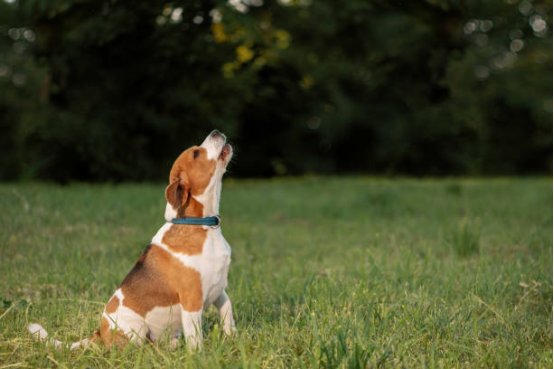
For new dog owners, a bark collar might seem like a magic solution that can change a dog’s behavior overnight. While it can effectively control excessive barking, proper use and understanding of how it works are crucial. In this article, we’ll break down the bark collar usage process from a beginner’s perspective, from the basic training logic to key points for ensuring your dog’s safety, helping you fully understand this device and laying a solid foundation for future use.

What is Bark Collar ?

A bark collar , as the name suggests, is a device specifically designed to control a dog’s barking. It activates by detecting the dog’s barking and alerts the dog to stop barking through vibration, sound, or an electric shock. Many modern bark collars also allow for adjustment of the stimulation level based on the dog’s response, ensuring the training process is both effective and safe.

the Bark collar is very straightforward:

  • Sound sensor : Detects the dog’s barking and determines whether a response mechanism needs to be activated.
  • Vibration, electric shock, or sound : When the device detects barking, it triggers a vibration or electric shock to alert the dog to stop the behavior.
  • Stimulation intensity adjustment : Many devices have different stimulation intensities to suit the needs of different dogs and avoid overstimulation.
How to effectively use Bark Collar ?

Training logic: How to effectively use Bark Collar ?

For beginners, understanding how to use a bark collar for effective training is crucial. The right training logic not only helps dogs gradually understand which behaviors are permissible but also ensures their comfort and safety during training.

Step 1: Select the appropriate equipment

bark collar for your dog is the most important step. Different bark collars are suitable for different dogs; for example, small, medium, and large dogs all require different types of equipment. Furthermore, the choice between a vibrating, vocal, or electric shock type should be based on your dog’s personality and tolerance.

  • Vibration type : Suitable for sensitive dogs or dogs that are just starting to train, with gentle stimulation.
  • Electric shock type : Suitable for dogs that need strong stimulation, and the intensity of the stimulation can usually be adjusted.
  • Sound-based : Some bark collars use sound to remind dogs to stop barking, but this type of device is less effective in certain environments.

Step 2: Begin Training

placing the bark collar around your dog’s neck, ensure it’s neither too tight nor too loose. Adjust the device to the appropriate tightness to ensure it can effectively detect barks. For dogs using it for the first time, start with the vibration or beep function and avoid using the shock function immediately. Here are some training steps:

  • Gradually increase the intensity of the stimulus : Start with the mildest type of stimulus to allow the dog to gradually adapt. If the dog does not react, then gradually increase the intensity of the stimulus.
  • Short training sessions, gradually increasing : Avoid letting your dog wear the bark collar for extended periods . Limit each training session to 15-20 minutes, allowing your dog sufficient rest time.

Step 3: Correct Usage Time

  • Avoid prolonged wear : Even the gentlest bark collar should not be worn by dogs for extended periods. It is recommended to wear it for no more than 8 hours a day to avoid causing discomfort to your dog.
  • Wear it regularly and observe the dog’s reaction : When using a bark collar , observe the dog’s reaction regularly. If the dog does not show significant improvement during training, consider adjusting the device settings or trying a more suitable training method.
A bark collar is a powerful tool

Safety Tips: How to ensure your dog’s safety and comfort

A bark collar is a powerful tool, but ensuring its safety and your dog’s comfort during use is equally important. Here are some key points for safe use:

Wearing comfort

Wearing comfort directly affects a dog’s acceptance of the device. The collar must fit snugly around the dog’s neck, but not too tightly. Proper tightness not only ensures the device functions correctly but also prevents pressure and injury to the dog’s skin.

Check the equipment: Regularly inspect the collar to ensure it fits properly and does not cause friction or skin damage from prolonged wear.

Choose the right size: Select the appropriate size based on your dog’s build. Different sizes are necessary to ensure both effectiveness and comfort.

Equipment functionality

Modern bark collars are mostly intelligently designed, automatically adjusting the stimulation intensity according to different environments. To ensure your dog’s safety, it is recommended to choose a device with an “automatic shut-off” function. If your dog barks continuously for more than a certain period of time, the device will temporarily stop stimulating the dog to avoid overstimulating it.

  • Vibration and shock settings : When selecting vibration or shock mode, start with the lowest intensity and gradually adjust. Avoid using excessively strong shocks initially, as this may cause fear or anxiety in your dog.
  • Regular cleaning and inspection : The device’s battery, electrodes, and other components need to be inspected regularly to ensure they are working properly and to avoid unnecessary problems caused by device malfunction.
about using bark collars

Common problems and misconceptions

about using bark collars . Here are some frequently asked questions and answers to help you better understand how to use a bark collar .

Question 1: Will dogs be afraid of bark collars ?

Answer : If used correctly during training, dogs will not develop a fear of bark collars . The key is to gradually increase the intensity of the stimulus during training and ensure positive reinforcement after each use. Many dogs will stop barking excessively and develop good behavioral habits after adapting.

Question 2: Is the Bark collar suitable for all types of dogs?

Answer : Most bark collars are suitable for healthy dogs, especially those that bark excessively. However, very small or young dogs may not be suitable for this type of device. It is best to consult a veterinarian or professional trainer before using it.

Question 3: How long does it take for Bark collar training to be effective?

Answer : Results vary depending on the dog’s personality, training methods, and the type of bark collar . Generally, most dogs begin to show noticeable changes within days to weeks. Consistent positive reinforcement and proper adjustments to the equipment settings are key.

Tips and suggestions for using Bark Collar

Bark collar training is more than just about using the equipment; it also requires interaction and understanding between the owner and the dog. Here are some tips and suggestions for using a bark collar :

Usage tips:

  • Gradually increase the challenge : As your dog gets used to the bark collar , you can increase the difficulty of training, such as by increasing the complexity of the environment or introducing new situations, so that your dog can learn to control its barking in changing environments.
  • Positive rewards : Reward your dog with treats or toys whenever it behaves well. This helps the dog associate barking control with positive experiences.

Avoid common mistakes:

  • Over-reliance on equipment : Do not rely entirely on the bark collar for training. It should be used as an adjunct tool in conjunction with other training methods such as reward and behavior modification.
  • Ignore your dog’s emotions : Respecting your dog’s feelings is key during training. If your dog shows signs of anxiety or fear, you may need to pause training and adjust your approach.

Make training more efficient and dogs happier.

Through the above introduction, you should now have a more comprehensive understanding of this training device. As a tool to help dogs control barking, it requires scientific training methods and careful safety precautions to achieve the best results. Remember, patience and attentiveness are key to success. During the training process, you and your dog will gradually learn how to interact better and build a more harmonious living environment.

Learn more about bark collars .

Leave a Reply

Your email address will not be published. Required fields are marked *